Why We Built a GLP-1 Mode Into Terofit
Millions are taking GLP-1 medications, but almost none have the right tools to support the journey. Here is how TeroFit is changing that.
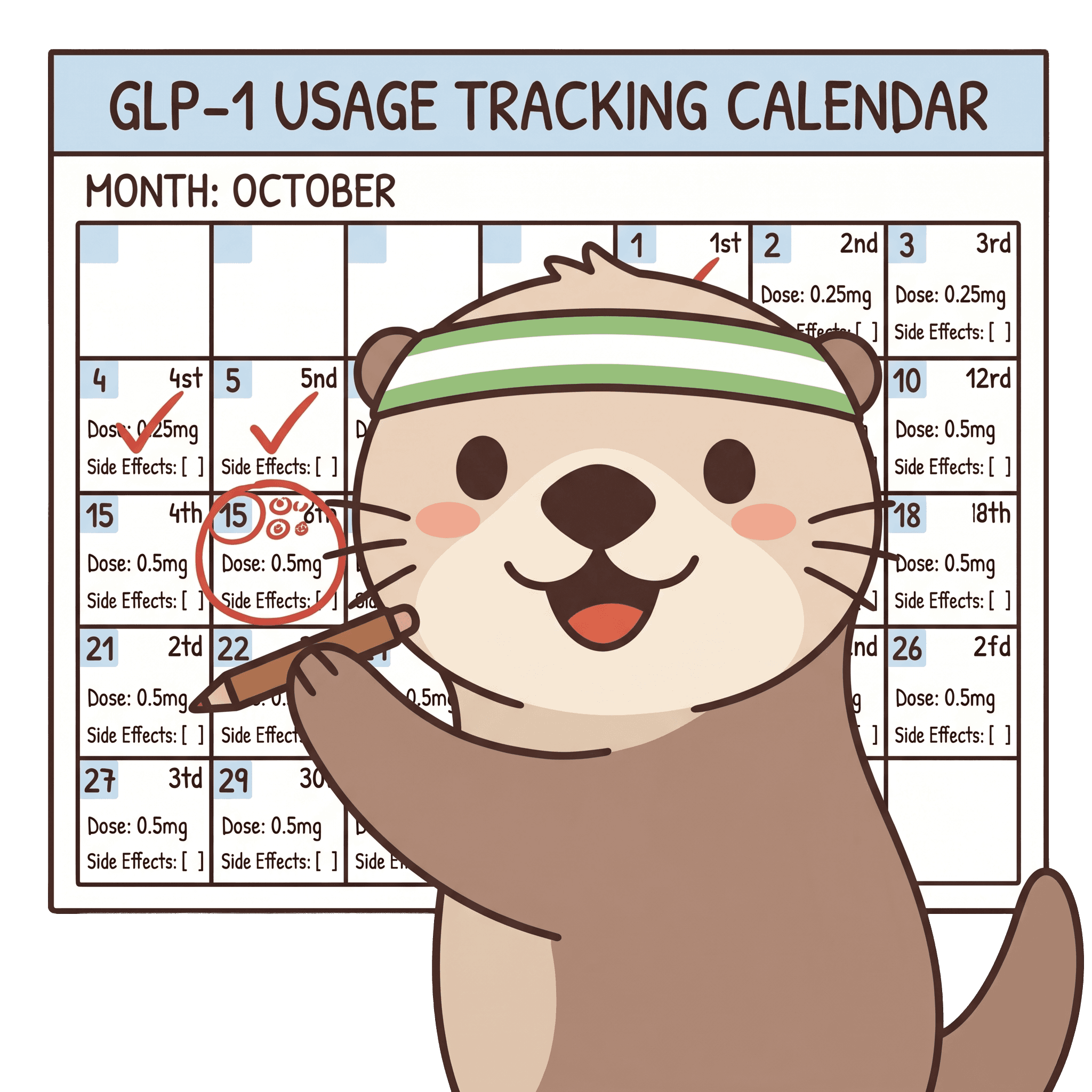
When we started looking at the data around GLP-1 medications like Ozempic and Wegovy, one thing became immediately clear: millions of people were taking these drugs, and almost none of them had the right tools to support the journey.
It wasn't for lack of trying. People were cobbling together calendar apps, meal tracking apps, nutrition logs — sometimes three or four different tools running in parallel. But that fragmentation was exactly the problem. Managing a GLP-1 cycle isn't just about counting calories. It requires tracking your injection schedule, monitoring your protein and micronutrient intake, staying on top of your workouts, and watching for the side effects that can quietly derail your progress.
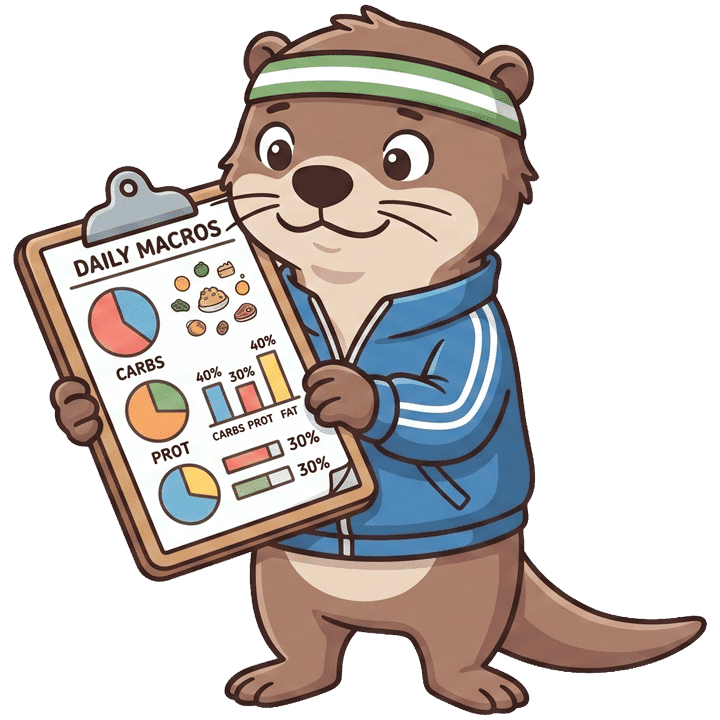
The Invisible Risks of Fragmentation
When each of those lives in a different app, the gaps between them become real risks. The side effects of GLP-1 medications aren't minor inconveniences — muscle loss, nutritional deficiencies, nausea-driven undereating — these are serious consequences that go unmanaged when your tools don't talk to each other. No single app was looking at the full picture. No single app was asking: is this person actually doing okay?

Bridging the Gap
That's the gap Terofit was built to fill. We wanted to create something that didn't just track — but guided. A place where your meal plan knows you're on a GLP-1. Where your workout recommendations account for the muscle preservation you need. Where your nutrition targets are adjusted around the deficiencies these medications are known to cause.


Because GLP-1 medications are powerful — but power without support is just risk. Terofit exists to be the companion that helps you use them well.